

As keyboard technologies evolve, standard configuration comfort, ease of use, technical accuracy, and stage readiness demand precision. The use of lightweight materials, advanced modular designs, and superior adjustability will make modern stands more flexible by 2025. Still, effectiveness will be dependent on setup accuracy. Improper setup can create alignment issues, which can result in unwanted fatigue, inconsistent playing dynamics, or in serious cases, equipment damage. This guide will teach you how to adjust your keyboard stand for optimal height, base balance, and weight, whether in a studio, at home, or at a live venue. Optimize performance and durability by focusing on accessories and floor decor. Performance and longevity will be improved by properly tackling posture alignment, weight distribution, and accessory integration.
To know more, read: Top 5 Keyboard Stands for 2025: The Best Choices for Musicians
Step 1: Structures for Better Posture and Ergonomics

Adjustment of Height:
When situated at the keyboard, the height specified should permit the forearms to rest parallel to the floor with the elbows flexed at 90 degrees. The performer face down should also have the stand height level with the chair or bench seat. Many brands offer telescoping legs or hydraulic systems to allow finer adjustments. Additional support for neutral wrist posture may be required for standing performers.
Tilt and angle:
With regard to ergonomics, a slight upward tilt of 5° to 10° is recommended for better control visibility and to reduce wrist strain. However, an overheating tilt can create an imbalance and unequal weight distribution. During performances, locking mechanisms should be used to secure the angled position.
Step 2: Achieving Stability and Balance
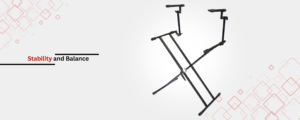
Distribution of Weight:
The center of gravity for the stand should correspond with the weight of the keyboard. Heavy workstations or multi-tiered setups will require stands with sturdy bases like those from Hercules or Roland. To stop slipping on uneven surfaces, cross bracing or non-slip rubber feet should be applied.
Compatibility with the Surface:
Carpeted stages need spiked feet for grip, while rubberized pads are better for gripping onto hardwood floors. The legs of portable stands with foldable pods need to be fully extended and locked so that they do not collapse during energetic play.
Step 3. Configure the Adjustable Features:

Tiers for Multi-Keyboard Setups:
Secondary tiers should allow effortless transitions without excessive keyboard reaching; however, vertical tier levels require precise positioning. Modular stands with sliding arms or magnetic attachments can be replaced very quickly. Most importantly, the adjustable features must not change the position of the primary keyboard, which, due to center posture alignment, must be close to the body.
Smart Technology & Memory Presets:
The angles and height presets of the standing supports are set on the smartphone for easier control access. This will be the case for musicians who often need to hit the courts and for those fast-approaching gigs. Thanks to the stored ergonomic screwdriver and equipped knee posture positioning, they will be set faster.
Step 4: Integrating Accessories

Tablets and Mic Stands, Pedalboards:
Tablet and Microphone Stands, Pedalboards: Holders or arms with clamps can firmly secure tablets, microphones and pedalboards to the stand. Be mindful of the add-on weight limits, as exceeding these will render the stand unstable.
Cable Management:
Cable Management: Cables for power and MIDI control should be secured with Velcro straps or channeled through the provided routing paths. Poorly organized cabling is distracting and can be dangerous during a live performance.
Step 5: Maintenance and Longevity
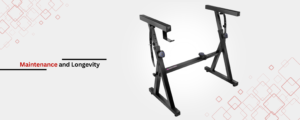
Performing regular inspections:
Maintenance and Longevity Perform inspections regularly: Look at the joints, bolts, and locking systems for any signs of inadequate tension or wear that is evident. Musically-inclined hardware tends to provide some friction—needed lubricant on moving parts, which should be accounted for.
Storage and cleaning:
After use, the frame will often have dust and moisture along with dirt that has previously settled. To avoid rusting, only collapsible stands should be entirely dried before folding. While traveling, gig bags and protective covers are ideal.
Conclusion
For the optimization of a keyboard stand for 2025, it is vital to maintain balance between ergonomic polish, static equilibrium, and operational ease in regard to technological advancement. Great defaults in comfort and performance can be obtained through enhanced vertical adjustment of the keyboard’s height, weight-balanced distribution, and advanced accessory integration. The stands of K&M, 5 Core, and Hercules are ever evolving, from sturdy roadworthy stands to advanced app-connected smart systems, and these concepts are being integrated into the broader designs. Even with modern, multifaceted, complex keyboard configurations, a carefully adjusted stand remains fundamental to every unforgettable performance.