

Ever tried to focus during a big set—crowd hopping, lights blazing—and your keyboard stand starts to wobble like it’s made of pool noodles? The only thing worse is hauling a monster stand that weighs more than your whole board.
On stage, a keyboard stand is much more than just a place to set your instrument—it directly affects your performance, comfort, and reliability. As Donnermusic UK notes in their guide “Why Should We Use a Keyboard Stand?”, stability is crucial: the stand should securely hold your keyboard to avoid slips or noise from movement during an energetic show.
Why Your Stand Choice Makes (or Breaks) Your Performance
Let’s get real: a bad stand isn’t just annoying, it messes with your playing, your comfort, and, honestly, your confidence. When you’re smashing out a solo or swapping between tiers in a live set, you don’t want to question if everything will hold.
Good stage stands don’t shake, collapse, or trip you up mid-song—and when the next act is watching from the wings, you want to look like you belong up there.
What Really Matters in a Stage Stand?
- Stability: If you gig, you NEED a solid footing. Double-braced X stands, heavy-duty Z-frames, or anything with wide feet is king. Single-braced models are fine for lighter keys but will give you gray hairs if you slap an 88-key weighted beast on top.
- Fast Adjustability: That five minutes between soundcheck and set? You want height locks that just snap and hold, not fiddly, finger-bruising dials. A stand that remembers its spot is a godsend for fast show turnovers.
- Compact, But Not Flimsy: Your stand should fold small for quick exits, but don’t sacrifice strength for trimness. It’s the classic touring-musician puzzle, but with the right gear, you CAN get both.
The Perks of Multi-Tier & Extension Add-Ons
If you run synths, controllers, or just want a backup, a 2-tier stand lets you stack without crowding the stage. It’s cleaner, it’s faster to swap between sounds, and looks pro as hell. Plus, you don’t need to build a gear fort every show.
Product Deep-Dive: 5 Core 2-Tier Adjustable Stand
Let’s talk real practical: the 5 Core 2-Tier Adjustable Keyboard Stand is built for performers who need options.
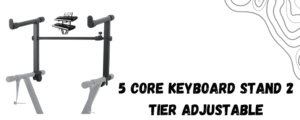
- Heavy-duty steel stays rock solid, even if your playing gets wild (or you lean hard switching patches).
- 2-tier extension means running a stacked synth rig, laptop, or pad on the upper deck, while your workhorse stays below.
- Height and width lock instantly, saving nerves in chaotic venues.
- Anti-slip feet keep the whole thing from running away when the stage gets bouncy.
- Packs down for your car or Uber, not just a van.
If you want to forget about your stand and get lost in the music, this is the gentle muscle you need.
Rock-solid and versatile—stack your rig with confidence on any stage.
Product Spotlight: Musician’s Gear KBX1 Single-Braced Stand
The KBX1 Single-Braced Stand is simple, classic, and quick to fold or adjust.
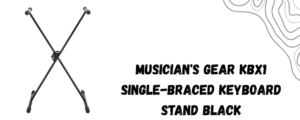
- Great for 61-key or lighter boards—think keytarists, synth pop warriors, or anyone who doesn’t want to haul back-breakers.
- Super portable, so you’re never fussing at load-in.
- Easy clutch adjustment means you get your height fast (no drama, just set and forget).
If your main jam is quick stage changes, smaller venues, or you simply like to travel light, this is the “don’t-think, just play” pick.
Lightweight, portable, and quick to set up—perfect for smaller gigs and fast setups.
Tricks for Dialing In Your Stage Rig
- Check fit at home—before you ever trust your stand under stage lights. Make sure your knees clear, pedals slide in, and it holds up under a good stomp.
- Gaff tape is your friend! Mark your favorite stand height, keyboard placement, even endings for cable runs, right on your stand.
- Bring a backup (strap, clamp, or set of feet). Fast fixes keep the show rolling when you’re miles from the nearest music store.
- Avoid stands that “wobble tested”—**if it rocks more than one inch, it’ll only get worse. And if it needs a two-person setup, it’s for the studio, not stage.
Don’t Ignore the Details
- Look at the locking mechanism. The cheap ones slip. Better models click solid, and don’t rattle after 10 gigs.
- Weight rating: Stage stands list a weight—respect it, or risk a mid-set collapse.
- Finish: Rubber ends and pads won’t just save your keys, they’ll save the venue’s stage and your reputation with the crew.
In the end, picking the right stand is about letting loose on stage, not stressing over gear. Choose well, dial it in, and the crowd won’t ever notice your stand—but they’ll sure feel the confidence and energy you bring when you know your setup’s got your back.
Here you can also find amazing drum thrones; alternatively, browse our page to find the best keyboard bench, audio mixers, drum mics, piano bench, keyboard stand, speakers, party speakers, and more.