
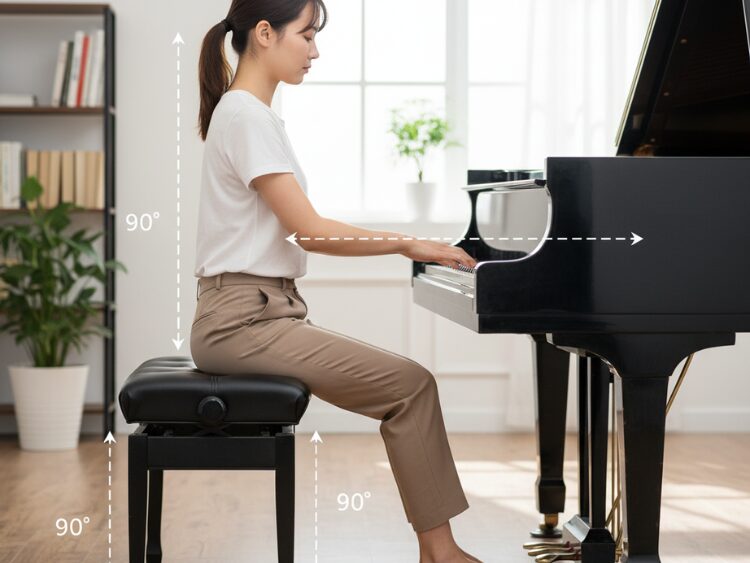
When it comes to laying the foundation for proper piano technique, the bench matters as much as the instrument itself. Klassik Arts emphasizes that correct bench height ensures a child’s forearms remain parallel to the floor, fostering relaxed, tension-free movement and improving practice quality—using a few foam squares under the legs can help achieve this easily. They also advise that the child’s feet should be flat on the floor or on a footstool if needed, so they can focus on playing—not squirming.
In the same vein, Teach Piano Today underscores finding the ideal bench distance—allowing the elbows to remain comfortably bent and preventing “T-Rex posture,” where arms tense up from being too close or too far away. (Teach Piano Today)
Why Ergonomics Actually Matters (Yes, Even for Hobbyists)
Most piano injuries sneak up slow—an ache here, tingling fingers there, a stiff neck that never quite goes away. But it’s usually the setup, not just your playing, throwing your body out of sync. When your bench is too high, too low, too hard, or wobbly, you twist and compensate. Day after day, that tiny bend or slump snowballs until it’s all you notice.
The right ergonomic bench? It keeps you sitting tall with your feet grounded, arms relaxed, and joints aligned. Less fidgeting. Less fatigue. And way more music.
What Makes a Bench Truly “Ergonomic”?
- Adjustable height so your elbows land comfortably above the keys (seriously, one inch can change everything)
- Cushion with actual support—not a pancake after twenty minutes, not so squishy you sink
- Wide, stable base that won’t rock, rattle, or scoot away on a polished floor
- Room for both feet flat on the ground and maybe a little secret storage (because, real talk, clutter is a posture killer)
- Easy to slide or adjust between songs or students— if you ever teach or share your bench
5 Core Piano Bench: Simple Moves, Big Relief
Had enough of shifting around mid-song? This bench is the grown-up answer to so many common complaints:
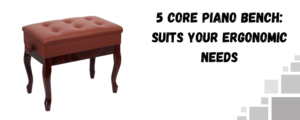
- Height adjusts for kids, teens, or grownups— no tools, no drama.
- 3-inch plush but firm cushion that lets you settle in but keeps you upright after an hour…or three.
- Wide, steady stance (never tippy), plus a seat deep enough for tall or petite players to get comfy.
- Heavy wood and steel build for rock-solid stability—trust it under every glissando.
- Quick-access storage right under the seat for music, pencils, snacks (we’re not judging).
- Easy clean-up— coffee, ink, or crumbs, this thing shrugs it off.
Sit once and you’ll notice the difference in your back, shoulders, and how much longer you actually want to stay and play.
Play longer and stay comfortable with a bench built for real support.
Take a look at the 5-core Piano Bench here.
Griffin Premium Antique Piano Bench
If you want a bench that adapts as much as you do, check this out:
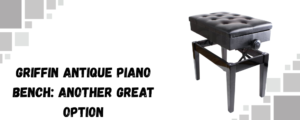
- Knob or hydraulic height adjust (depending on model) gives you a goldilocks fit every session—tiny tweaks matter!
- Super-dense, 3.5”+ seat that supports through recitals, lessons, and late-night improvising.
- Wider seat than usual so you can share with a duet partner (or, more likely, spread out your sheet music)
- Solid steel/wood frame stays rooted no matter how much you wriggle.
- No squeaks, no fuss: Smooth and silent, even after years of use.
- Hidden compartment for all your practice knick-knacks.
With this bench, you’re less likely to cheat on posture—because it just feels right to sit up straight.
Find your perfect playing height with a bench that adapts every session.
Everyday Ergonomic Tips (From People Who’ve Messed This Up)
- Even half an inch in seat height can make (or break) your wrists or back—tweak until it feels just right.
- Plop your feet flat, check that your thighs aren’t jammed under the piano, and let your arms sway loose before you start.
- Take breaks and stand up—good bench or not, blood flow is your friend.
- If your bench wobbles, fix it or ditch it. Who wants to practice while feeling seasick?
Conclusion
If you’re tired of mysterious aches, or just want to stay excited about playing for years, get a bench that supports your body as well as your music. The right seat isn’t just a luxury. It’s the quiet hero of every practice and every gig.
Ready to banish the bad bench blues? A little ergonomic support goes a really long way.
Here you can also find amazing drum thrones; alternatively, browse our page to find the best keyboard bench, audio mixers, drum mics, piano bench, keyboard stand, speakers, party speakers, and more.